


Real estate development marketing that sells the place before there's a place to see.
Master planned community marketing is the hardest job in real estate, because for the first two years there is nothing to walk through. No model home. No amenity center. No neighbors mowing lawns on a Saturday morning. Just acreage, a site plan and a promise.
That promise is the part L&P has been building for more than thirty years. Master planned community marketing starts with the community positioning that makes a development mean something before it exists — then the digital media that turns meaning into tour requests, lot reservations and builder starts.
It is a different discipline from advertising finished homes, and it is the only thing this master planned community marketing agency has done for three decades. Since 2019, campaigns we've run have influenced more than a billion dollars in home sales.
See our work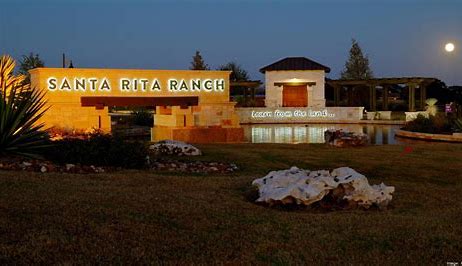
The developments that sell out phase one are the ones that spent the entitlement period building demand. Real estate development marketing decides it in three moves, and all three happen before a single sign goes up.
A community without a clear idea of who it is for ends up competing on lot size and price per square foot, which is a race nobody wins. Community positioning decides which buyer sees themselves living there — and it has to be settled before the naming, the site map or the first billboard.
Developer marketing campaigns that begin at grand opening begin eighteen months late. An interest list assembled during entitlement is the difference between opening weekend traffic and an empty sales center with a beautiful brochure.
Your builders inherit whatever brand you hand them. A community with a real story, a legible site map and existing search demand makes their sales office easier — and your starts faster. Builder relations is marketing, not account management.
Everything a master planned or mixed use development needs, from the first charette through build-out — real estate development marketing, brand and place from one team, so the ad and the arrival say the same thing.
A launch is a sequence, not a campaign. Master planned and mixed use development marketing follow the same arc: each phase has one job, and doing them out of order is what pushes a grand opening back a quarter.
24–18 months out
Market research, competitive analysis, naming and community positioning. Nothing is public yet, and that is the point — this is where you make the decisions you will not want to reverse in year three. Naming in particular is close to irreversible once the plat is filed and the signage is fabricated.
18–9 months out
Brand identity, site map, teaser site and the interest list. Paid media starts narrow and local, aimed at people already searching in the submarket rather than at volume. The welcome center and wayfinding programs go into design here, because fabrication lead times are longer than anyone plans for.
9 months to launch
Full website with builder and floor-plan pages, welcome center open, wayfinding installed, campaign live across search, social and out of home. Realtor and builder programs launch in parallel so the sales teams are briefed before the first weekend, not after it.
Launch onward
Master planned community marketing does not stop at the grand opening. Always-on media, a content strategy that keeps earning search demand, seasonal events, and quarterly reporting measured against starts and closings rather than clicks. Each new phase and each new builder gets its own launch inside the parent brand.
Most real estate development marketing stops at the screen. We also design what the buyer walks into.
The entry monument. The wayfinding at the first roundabout. The welcome center, and the ninety seconds between the parking space and the site model. When the ad and the arrival say the same thing, the tour converts — and when they don't, no amount of media spend fixes it.
That work is placemaking, and it is why L&P sits in a different category from the agencies a developer usually compares. Very few real estate development marketing partners can take a positioning from a charette through to fabricated signage, then measure what it did to lot sales.
More on placemaking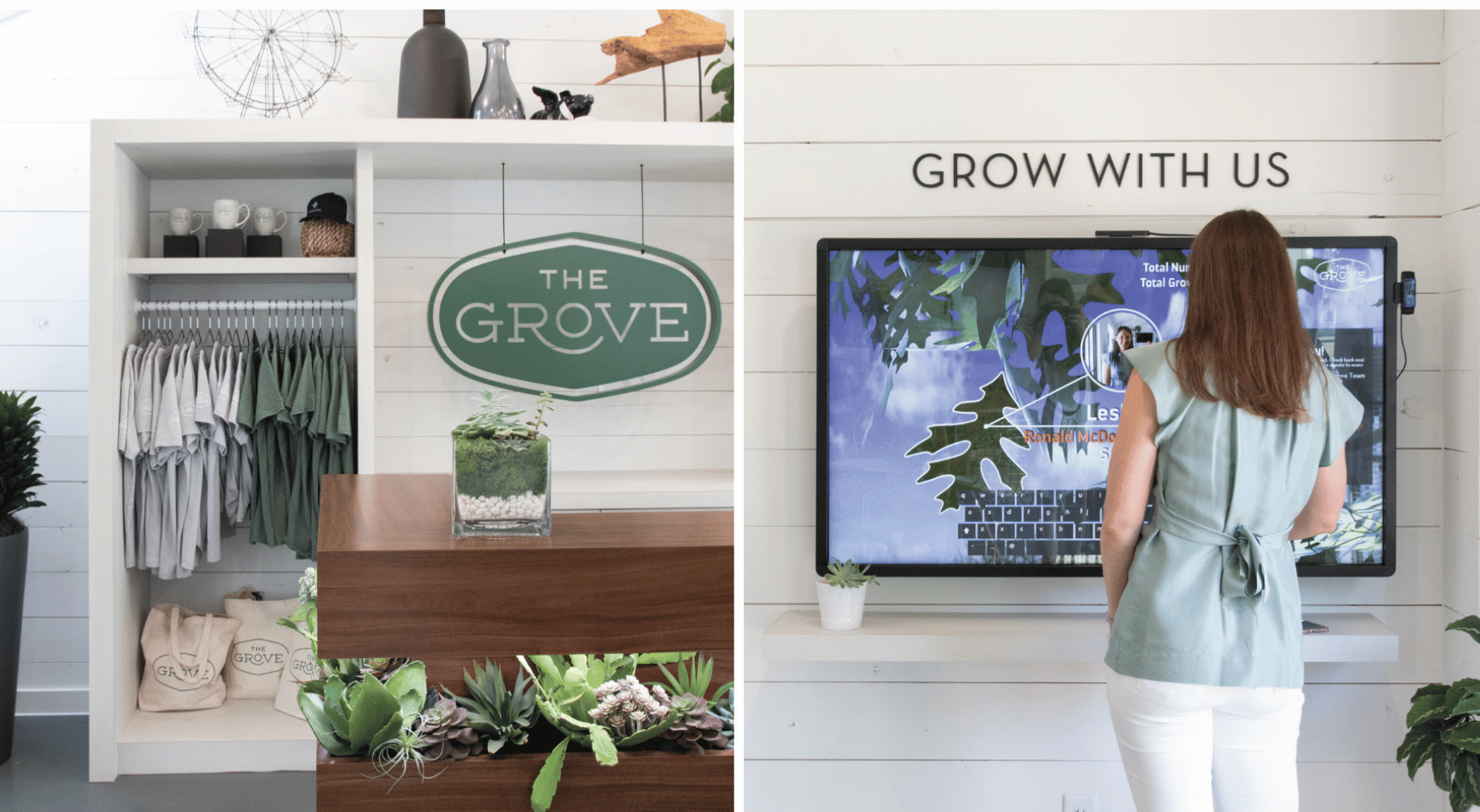
A master planned community marketing agency handles the naming, community positioning and brand identity of a development, then runs the digital media, website and content that generate qualified buyer interest before and after the community opens. The work spans roughly three years, from entitlement through build-out, and includes the physical brand experience — signage, wayfinding and welcome centers — not only advertising.
Positioning and naming should be settled 18 to 24 months before your first lot closing, and public-facing marketing should begin 9 to 18 months out. Developers who wait until grand opening lose the entitlement period they could have spent building an interest list — and open to an empty sales center.
A builder markets a product with a price and a delivery date. A developer markets a place that does not exist yet, to a buyer who has to imagine living there, and then hands that brand to the builders who sell inside it. The strategy, the timeline and the measurement are all different, which is why builder-focused agencies often struggle with community launches.
Ask three questions. Can they show attribution from media spend through to closings, not just leads? Have they named and positioned a community from scratch, not just advertised one? And can they take that positioning into the physical site? Most digital marketing agencies answer yes to the first and no to the other two.
Real estate development marketing is measured against sales, not clicks. We track qualified tour requests and interest-list growth as leading indicators, then attribute digitally influenced sales through the CRM and the builder handoff — the point where most reporting breaks. You get quarterly performance analysis measured against starts and absorption.
Yes. L&P is based in Houston, which is the top-selling master planned community market in the country, and handles master planned and mixed use development marketing for developers nationally. Being in the market that sets the pace is useful; it isn't a boundary.